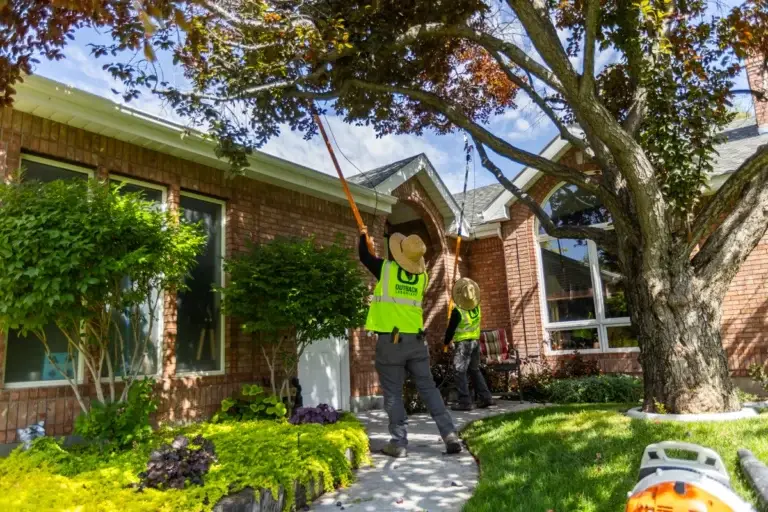

Best Time to Prune Evergreen Shrubs in Central Florida
The best time to prune evergreen shrubs is something I get asked about more than almost anything else. Homeowners call me all the time saying their shrubs look rough, overgrown, or patchy — and half the time, the issue comes down to one thing: they trimmed at the wrong time of year.
I’m Austin Halsey, owner of Alpha Landscaping LLC based right here in Davenport, Florida. Learn a bit about me and how we started — I’ve been working in Central Florida yards since I was a kid, and I started this company in 2020. Here’s what I tell every homeowner I work with when they ask about evergreen shrubs.
Why Getting the Timing Right Actually Matters

Let me be straight with you. Cutting your shrubs at the wrong time doesn’t just look bad — it can damage your plants for months.
According to the University of Florida IFAS Extension, evergreen shrubs like holly, juniper, cedar, and podocarpus can be lightly trimmed any time of year because they do not go dormant. But — and this is a big but — heavy pruning at the wrong time creates real problems.
When people trim at the wrong time, I see:
- Brown tips that take months to green back up
- Bare spots that won’t fill in until next season
- Slow, stunted growth
- Pest and disease problems from open wounds in hot, humid Florida weather
- Odd shapes that look worse after the trim than before
Florida’s heat and humidity put enough stress on plants already. Adding a bad trim on top of that is just asking for trouble.
The Best Time to Prune Evergreen Shrubs in Florida

Here’s the rule I follow for most evergreen shrubs in Polk and Osceola Counties:
Prune in late winter to early spring — right before new growth starts.
For us in Central Florida, that’s roughly February through early April.
Davey Tree Expert Company confirms that pruning evergreen shrubs like juniper and yew is best done in late March or early April before new growth begins. This timing gives shrubs time to seal their cuts fast as warm weather kicks in.
Why this window works so well
- The plant is at rest, so cuts cause less stress
- Warm weather right around the corner means wounds heal quickly
- You can see the plant’s true shape before new growth hides problem branches
- The shrub fills back in beautifully through spring and summer
This is also the same window we use for structural tree work. If you have trees that need attention alongside your shrubs, check out our tree trimming services in Davenport, FL — most clients bundle both in one visit.
This timing works for the most common evergreen shrubs I see in Central Florida yards:
| Shrub | Best Pruning Window | What to Watch Out For |
|---|---|---|
| Boxwood | Late winter to early spring | Avoid mid-summer heavy cuts |
| Holly | Late winter (January to February) | No late fall pruning |
| Arborvitae | Early spring | Never cut into old brown wood |
| Juniper | Late March to early April | Avoid heavy cuts in summer heat |
| Yew | Late winter to early spring | Avoid fall cuts — new growth can freeze |
| Podocarpus | Early spring | Only cut into green growth |
Keep this table handy when you’re planning out your yard work for the year.
If you’re building out a full year of yard work — including lawn mowing heights, fertilization windows, grass-specific care, and seasonal cleanup — our Central Florida lawn maintenance guide maps out the entire calendar for Polk and Osceola County properties.
Light Shaping vs. Heavy Pruning — They Are Not the Same Thing

One thing that trips people up is thinking all pruning is the same. It’s not.
Light Shaping
This is a quick cleanup — snipping soft tips, keeping the outline neat. According to Florida Currents, published with UF/IFAS support, light pruning two to three times per year is actually what evergreens in Florida do best with. You can do light shaping almost any time during the growing season, just avoid late fall.
Heavy Pruning
This is when you’re cutting back a large overgrown shrub, removing thick branches, or doing a major reshape. Save this for late winter or early spring. This gives the plant the best chance to fill back in before summer heat arrives.
K-State Extension points out that pruning cuts that go too deep — past where you can see green growth — can leave permanent bare spots. Evergreens do not regrow from dead wood the same way other shrubs do. So be careful about going too deep.
When You Should NOT Prune Evergreen Shrubs

I see these mistakes at least once a week in our service areas from Davenport to Clermont to Kissimmee to Four Corners.
Mid to Late Summer
Florida summers are brutal. Temps over 90°F, high humidity, and intense sun are tough on freshly cut branches. Panorama Tree Care notes that evergreens are more susceptible to sunburn when pruned during hot, sunny weather — newly exposed branches can scorch fast.
If you have to trim in summer, keep it light. Soft tip only.
Late Fall
Any new growth that pushes out after a fall cut can be killed by cold snaps. In Central Florida, we can see freezes as late as mid-March. Florida Currents advises leaving damaged material on the plant after cold snaps to protect tissue lower on the branch. Cutting too early in fall sets that same trap in reverse.
During Active New Spring Growth
If you see new soft tips actively pushing out, hold off on any heavy pruning. Let that growth harden up a bit first. Cutting it off right away slows the shrub down and can create gaps.
How to Prune Evergreen Shrubs the Right Way
These are the exact steps my crew follows on every bush trimming and hedge maintenance job we do.
Step 1 — Remove Dead or Damaged Branches First
Dead branches are a welcome mat for pests and disease. Cut them out before anything else.
Step 2 — Never Remove More Than One Third at One Time
The one-third rule is widely accepted by horticulture professionals. Iowa State University Extension confirms that removing more than one-third of a shrub at once slows recovery and can damage overall plant health. Take it easy. You can always trim more next round.
Step 3 — Keep the Bottom Wider Than the Top
This is the part most people skip. If the top of the shrub is wider than the base, sunlight can’t reach the lower branches. Over time, those lower branches thin out and die. Keep your shrubs slightly wider at the base — this is called a “batter” shape — and the whole plant stays full and green.
Step 4 — Never Cut Into Old Wood on Evergreens
This is critical for junipers, arborvitae, and similar shrubs. If you cut past the green growth into the brown interior wood, that branch will not grow back. It will stay bare. Only cut where you can see green.
Step 5 — Use Clean, Sharp Tools
Dull blades don’t cut — they tear. Torn branches heal slowly and invite disease. Wipe your blades with rubbing alcohol between plants to avoid spreading anything from one shrub to the next. A clean cut is a fast-healing cut.
Step 6 — Step Back Often
Every few cuts, take a few steps back and look at the whole plant. It’s easy to get in close and over-trim one section. Step back, look, cut. Repeat.
A Real Story From a Davenport Yard
A customer in Davenport called me a couple years back saying her shrubs were “caving in.” When I got there, I could see exactly what had happened. For years, someone had been trimming them flat across the top — same shape, same height, every time.
The problem was that flat top blocked all the sunlight from reaching the bottom branches. Those lower branches had been slowly dying off for years. By the time she called me, the bottoms were bare and the middles were thinning out.
We did a careful heavy prune in late February, shaping the shrubs so they were wider at the base and gently rounded on top. We only cut into green growth. By May, the shrubs were filling back in from top to bottom.
She still calls us for her regular residential lawn maintenance every month. Sometimes a small adjustment makes a massive difference.
Signs Your Evergreen Shrubs Need Pruning Right Now
Not sure if it’s time? Look for these:
- Branches crossing or rubbing against each other
- The shrub shape looks lopsided or out of control
- Brown or dead patches inside the plant
- Lower branches thinning out or bare
- Shrubs blocking windows, walkways, or visibility
- It’s been more than a year since the last trim
If you’re checking off two or more of these, it’s time to call a pro or get out there yourself — but time it right.
Frequently Asked Questions About Pruning Evergreen Shrubs
When is the best time to prune evergreen shrubs in Florida?
Late winter to early spring — February through early April — is the sweet spot for Central Florida. You get the benefits of the plant being at rest while the upcoming warm season helps wounds heal fast.
Can I prune evergreen shrubs in the summer?
Light tip shaping is okay. Avoid heavy cuts during the Florida summer heat. Exposed wood and fresh cuts in 90+ degree weather can lead to sunburn, drying, and extra stress on the plant.
Will my shrubs grow back if I cut too much?
Deciduous shrubs recover from heavy cuts better than evergreens do. If you cut past the green growth on an evergreen into old brown wood, that branch will not come back. This is why the one-third rule matters — don’t take more than one-third of the shrub at once.
Why are my shrub tips turning brown after trimming?
A few common causes: dull blades that tear instead of cut, trimming in extreme heat, cutting too late in the fall, or cutting too deep into old wood. Sharp, clean tools and good timing fix most of this.
How often should I trim evergreen shrubs in Florida?
For light maintenance, two to three times per year is ideal, according to UF/IFAS guidelines. One heavier prune in late winter, a light cleanup in late spring, and another light touch in early summer covers most Florida properties well.
Can I trim shrubs in the fall in Central Florida?
It is better to wait. Any fresh growth that comes in after a fall trim can get hit by a cold snap. In Central Florida, we can get surprise frosts through mid-March. Play it safe and hold off on significant cuts until February.
Want Help With Your Shrubs? We Serve All of Polk and Osceola Counties
I get it — pruning feels straightforward until you’re standing in front of a shrub that’s twice the size it should be, and you’re not sure where to start. That’s exactly why we’re here.
At Alpha Landscaping LLC, we handle bush trimming and hedge maintenance, tree trimming and pruning, and full residential lawn maintenance across Davenport, Clermont, Four Corners, and surrounding communities in Polk and Osceola Counties.
We also work with commercial properties that need regular scheduled maintenance to keep their curb appeal on point. See our commercial lawn maintenance services if you’re managing a business property or HOA.
Ready to get your shrubs back in shape? Get a free quote here — it takes two minutes. Or contact us directly with any questions. We’re happy to walk through what your property needs.
Knowing the best time to prune evergreen shrubs is the single most important factor in keeping your hedges full, green, and healthy year-round — and now you’ve got the timing dialed in.